


- On 28 April, 2025
- In Places to see
- Tags: buda castle, buda castle district, buda castle quarter, Budapest History Museum, Hungarian National Gallery, royal palace, Savoy Terrace
The majestic Buda Castle is one of the essential places to visit in Budapest. Located on top of Castle Hill, it dominates the city skyline and offers some of the best views over the Danube and the Pest side. But it’s not just a beautiful landmark — it’s a place where history, architecture, and national pride come together.
The castle has lived through wars, reconstructions, sieges, and celebrations. Over the centuries, it has served as a royal residence, a military fortress, and today, a cultural center with museums like the Hungarian National Gallery and the Budapest History Museum inside its walls. As part of the UNESCO World Heritage Site covering the banks of the Danube and the Castle District, the Royal Palace is an unmissable stop to understand the city and its past.
Whether you are passionate about Gothic architecture, interested in Hungarian history, or simply looking for a great spot to enjoy panoramic views, visiting the castle is a must.
Here’s everything you need to know before visiting Buda Castle — from its fascinating history to practical tips for making the most of your time.
What is the history of Buda Castle?
The Castle of Buda is a historic palace complex built in the 13th century on Castle Hill to protect Hungary after the Mongol invasion. Over the centuries, it has been expanded, destroyed, and rebuilt multiple times, reflecting Gothic, Renaissance, Baroque, and modern influences. Today, it stands as a UNESCO World Heritage Site and a symbol of Hungary’s resilience and national identity.
Origins and Construction
The origins of the castle date back to the mid-13th century. After the devastating Mongol invasion of Hungary in 1241–1242, King Béla IV recognized the need for stronger defenses and ordered the construction of a fortified stronghold on the elevated plateau known as Castle Hill. Its location provided a natural defensive advantage, with steep slopes and a commanding view of the Danube River.
The early structure was a straightforward medieval fortress intended to protect the new city of Buda, which had grown in importance after the abandonment of nearby Pest. Over time, the castle evolved beyond its defensive purpose, laying the foundation for what would become a royal residence and a major political center in Hungary.
By the 14th century, the importance of the fortress had grown significantly. New Gothic elements were added under King Louis I and later King Sigismund of Luxembourg, who transformed the fortress into an elegant royal palace.
Key historical events
Buda Castle’s history is closely tied to Hungary’s political and military upheavals. In the 15th century, under King Matthias Corvinus, the palace experienced a golden era. Matthias introduced Renaissance architecture, bringing Italian artisans to redesign parts of the building, adding structures like the Bibliotheca Corviniana — one of Europe’s largest libraries at the time.
However, the prosperity didn’t last. After the disastrous Battle of Mohács in 1526, Hungary was divided, and Buda fell into the hands of the Ottoman Empire. From 1541 to 1686, the castle served mainly as a military garrison and suffered extensive neglect and decay.
The Great Siege of Buda in 1686 marked a brutal turning point. Christian forces recaptured the castle from the Ottomans, but the fierce fighting and explosions left the structure heavily damaged. Following the siege, much of the original Gothic and Renaissance palace was demolished.
Under the Habsburgs, the residence was rebuilt, but the medieval structures were replaced with Baroque style architecture. The 18th century saw the construction of a grand, symmetrical palace designed to display imperial power.
The fortification also played a major role during the Hungarian Revolution of 1848, enduring sieges and artillery bombardments that caused further destruction.
During World War II, Buda Castle became a German and Hungarian military stronghold during the Siege of Budapest. Heavy Soviet bombardment devastated the castle once again, reducing large sections to rubble.
Reconstruction and restoration efforts
Post-World War II, Buda Castle underwent a controversial reconstruction under Hungary’s socialist government. The ornate Neo-Baroque features added in the 19th century were mostly stripped away. The new design prioritized simplicity and functionality over historical accuracy.
In recent years, Hungary has launched the Hauszmann Program, an ambitious restoration project aiming to return Buda Castle to its pre-1945 splendor. One of the key achievements of this program is the meticulous reconstruction of St. Stephen’s Hall, which reopened to the public in 2025.
The restoration is based on extensive research using archival photographs and documents, aiming to reinstate original design elements lost during wartime and socialist reconstructions. This includes restoring the Royal Riding Hall, the Guardhouse of the Castle, and the southern gardens.
While the project has sparked some debates among historians regarding authenticity, it underlines a broader cultural effort to revive Hungary’s royal heritage and architectural legacy.
Role in Hungarian national identity and pride
Buda Castle is more than an architectural landmark; it is a symbol of Hungary’s enduring spirit. Throughout centuries of foreign occupation, wars, and political shifts, the castle has remained a central point in the country’s collective memory.
During the Ottoman rule, its decline mirrored Hungary’s loss of sovereignty. Under the Habsburgs, the reconstruction of the castle symbolized integration into a broader imperial structure. In the 20th century, post-war reconstructions reflected the ideologies of Hungary’s socialist period, while today’s restorations signal a renewed focus on national pride and historical continuity.
Today, this building continues its role as a center of cultural preservation and national storytelling. Its silhouette above the Danube, visible from almost every part of Budapest, remains a daily reminder of the country’s tumultuous but resilient journey.
For visitors and Hungarians alike, walking through the courtyards and terraces is not just sightseeing — it’s stepping into the very heart of Hungary’s story.
Is Buda Castle Worth Visiting?
Yes, Buda Castle District is absolutely worth visiting. It combines stunning views, a rich historical legacy, world-class museums, and beautiful architecture within a UNESCO World Heritage Site, making it one of the top attractions in Budapest.
What is inside Buda Castle?
The complex today is not just about grand walls and royal corridors. It houses museums, restored historic halls, outdoor spaces, and terraces that collectively bring the story of Hungary to life.
The castle, formerly called The Royal Palace, was historically the residence of Hungarian kings. Today, the Royal Palace is no longer a royal residence but houses the Hungarian National Gallery, the Budapest History Museum, and the National Széchényi Library
Hungarian National Gallery: Art and culture
The Hungarian National Gallery occupies several wings of the Royal Palace and is one of the most important art museums in the country. It offers an extensive collection that traces the evolution of Hungarian art across centuries.
Key highlights include:
Gothic altarpieces from medieval churches
Paintings by Mihály Munkácsy and László Mednyánszky
19th and 20th-century Hungarian Impressionism and modernist art
Visitors can also enjoy temporary exhibitions that explore different aspects of Hungarian and European art history. One of the gallery’s greatest features is access to the castle’s dome, which offers panoramic views of Budapest.
Allocate at least 1.5 to 2 hours if you want to explore the gallery thoroughly.
Budapest History Museum
The Budapest History Museum presents the story of the city from ancient Roman times to modern days, with a focus on the evolution of Castle Hill. This museum offers a deep dive into the city’s 2,000-year history and provides a special emphasis on the story of Castle District itself.
Some of the museum’s most fascinating features include:
Reconstructed medieval rooms and chapels;
Archaeological artifacts from the Roman, Gothic, and Ottoman periods;
Exhibitions on Budapest’s urban development across centuries.
A visit to the museum also grants access to the medieval Royal Palace cellars and walls, offering a vivid glimpse into the architectural layers that shaped Buda Castle.
Buda Castle Terrace (Savoy Terrace and South Gardens)
The Savoy Terrace runs along the front of the Royal Palace and is one of the most scenic spots in Budapest. From here, visitors can enjoy sweeping, unobstructed views of the Chain Bridge, the Hungarian Parliament Building, St. Stephen’s Basilica, and the rooftops of Pest.
The terrace is part of the Baroque and Neo-Renaissance extensions of the palace and provides a less crowded alternative to nearby attractions like Fisherman’s Bastion.
During the winter months, the terrace sometimes hosts a synthetic ice rink and festive events, adding a modern twist to its historical surroundings.
Nearby, the South Gardens offer a quieter escape with neatly landscaped paths, fountains, and shaded seating areas — ideal for visitors who want to enjoy the atmosphere of the castle at a slower pace.
Access to the terraces and gardens is free, making them a favorite stop for both tourists and locals.
What else can you visit nearby?
Visitors can easily discover other major attractions, all within walking distance and add depth to the experience of visiting Castle Hill:
Matthias Church: A Gothic masterpiece

Officially named the Church of Our Lady, but popularly known as Matthias Church, this building stands right in front of Fisherman’s Bastion, forming the heart of the Castle District.
Founded around 1015, the church was extensively rebuilt in the 14th century in the Gothic style, notably under King Béla IV. Later, during the reign of King Matthias Corvinus, the church was expanded and took on much of the character visitors see today.
Highlights include:
The colorful Zsolnay-tiled roof, shimmering in sunlight.
A richly decorated interior filled with frescoes and stained glass.
The historic coronation ceremonies held here, including that of Charles IV, the last Habsburg king, in 1916.
Visitors can also explore the crypt and the Ecclesiastical Art Museum, which houses religious relics and medieval stone carvings. Guided tours and classical music concerts are often held inside, taking advantage of the church’s excellent acoustics.
Tip:
Don’t miss climbing the tower for breathtaking views over the Danube and Pest side.
Fisherman bastion
Built between 1895 and 1902, the Fisherman’s Bastion was designed by architect Frigyes Schulek to commemorate the 1000th anniversary of the Hungarian state.
Despite its medieval look, it is a relatively modern structure and was never intended for military defense. Instead, it serves as a scenic lookout point, with seven ornate towers symbolizing the seven Magyar tribes that founded Hungary in 895.
Key highlights:
Incredible views across the Danube to the Parliament Building, Margaret Island, and the sprawling Pest side.
Accessible lower terraces (free of charge) and upper terraces (small entrance fee during the day; often free early morning or late evening).
Elegant white stone staircases, arched corridors, and balconies that make it a photographer’s dream.
Tip:
Arrive early in the morning to avoid the crowds and enjoy softer, golden lighting for photos.
Buda Castle Labyrinth
The Buda Labyrinth is a subterranean attraction that stretches for more than 1,000 meters beneath the Castle District.
The labyrinth has served many purposes over the centuries:
Prehistoric caves adapted into storage and shelters.
Medieval cellars used for defense and everyday life.
Ottoman-era prisons and World War II bomb shelters.
A legendary story claims that Vlad the Impaler (the real Dracula) was once imprisoned here.
Today, visitors can join a guided tour through the maze-like tunnels, which last between 45 and 90 minutes. Some sections are dimly lit, enhancing the mysterious atmosphere. Special experiences include the “Labyrinth of Love” and personal maze paths designed for adventurous visitors.
Practical Tips:
Not recommended for children under 5, wheelchair users, or those with claustrophobia.
Tickets cost around 6,000 HUF (approximately €15–18), with discounts for students and seniors.
Advance booking is highly recommended, especially in high season.
Exploring the Labyrinth offers a unique perspective on the hidden layers of Budapest’s long and complex history.
Opening Hours and Tips
Buda Castle’s grounds are open 24/7 and free to explore, but the museums inside have specific opening hours and entry fees. To fully experience the castle, plan at least half a day, especially if visiting the museums and terraces.
Here are the key things you need to know before heading to the Castle Quarter:
How long should I spend at Buda Castle?
You should plan at least 3 to 4 hours to explore this part of Budapest properly, including its museums, gardens, and viewpoints. If you want to visit every major attraction at a relaxed pace, allocate a full day.
Visiting Buda Castle can be a short stroll or a deep historical dive, depending on your interests.
Here’s a typical breakdown:
| Activity | Approximate Time Needed |
|---|---|
| Walking around the courtyards and terraces | 1 hour |
| Visiting the Hungarian National Gallery | 1–2 hours |
| Touring the Budapest History Museum | 1–1.5 hours |
| Exploring the Labyrinth (optional) | 45–90 minutes |
If you plan to visit just the castle grounds and enjoy the views, 1–2 hours may be sufficient.
However, if you want a full experience — including the Hungarian National Gallery, the Budapest History Museum, and the Labyrinth — you should reserve at least half a day.
Tip:
Consider combining your visit with nearby attractions like Matthias Church and Fisherman’s Bastion for a full-day Castle District experience.
How much does it cost to enter Buda Castle?
Good news: walking around the castle courtyards, gardens, and terraces is completely free!
You can admire the architecture, enjoy panoramic views, and soak in the atmosphere without paying an entrance fee.
However, if you wish to visit the interiors:
Hungarian National Gallery: Adult ticket approx. 4,200 HUF (~€13)
Budapest History Museum: Adult ticket approx. 3,800 HUF (~€12)
Combined or special exhibition tickets may cost more.
Additionally, guided tours inside special areas like St. Stephen’s Hall require pre-booking and separate tickets, often priced around €18–20.
Tip:
Some discounts are available for students, seniors, and Budapest Card holders.
What are Buda Castle’s opening hours?
The castle courtyards and outdoor areas are open 24/7, while the museums inside generally operate from 10:00 AM to 6:00 PM.
While the castle grounds and terraces can be visited any time, day or night, the main indoor attractions have fixed opening times:
| Attraction | Opening Hours |
|---|---|
| Hungarian National Gallery | Daily from 10:00 AM to 6:00 PM |
| Budapest History Museum | Daily from 10:00 AM to 6:00 PM |
| Buda Castle Labyrinth | Daily from 10:00 AM to 6:00 PM |
| Exploring the Labyrinth (optional) | Daily from 11:00 AM to 6:00 PM |
(Always double-check during public holidays or special events, as hours may vary.)
Visiting early in the morning or late in the afternoon helps avoid crowds, especially during peak tourist season (July–August).
Is it open every day?
The fortification courtyards and public outdoor areas are accessible daily without restrictions.
However, the Hungarian National Gallery and the Budapest History Museum are typically closed on Mondays.
Special exhibitions, St. Stephen’s Hall tours, or temporary events may also affect access. It’s a good idea to check each institution’s official website if you’re planning to visit indoor spaces during your trip.
Tip:
If you visit on a Monday, plan to enjoy the gardens, terraces, and panoramic views — and save museum visits for another day.
What Are the Best Views from Buda Castle?
Buda Castle offers some of the most breathtaking panoramic views in Budapest, with sweeping vistas over the Danube River, the Parliament Building, and the rooftops of the Pest side.
Panoramic views of the Danube River
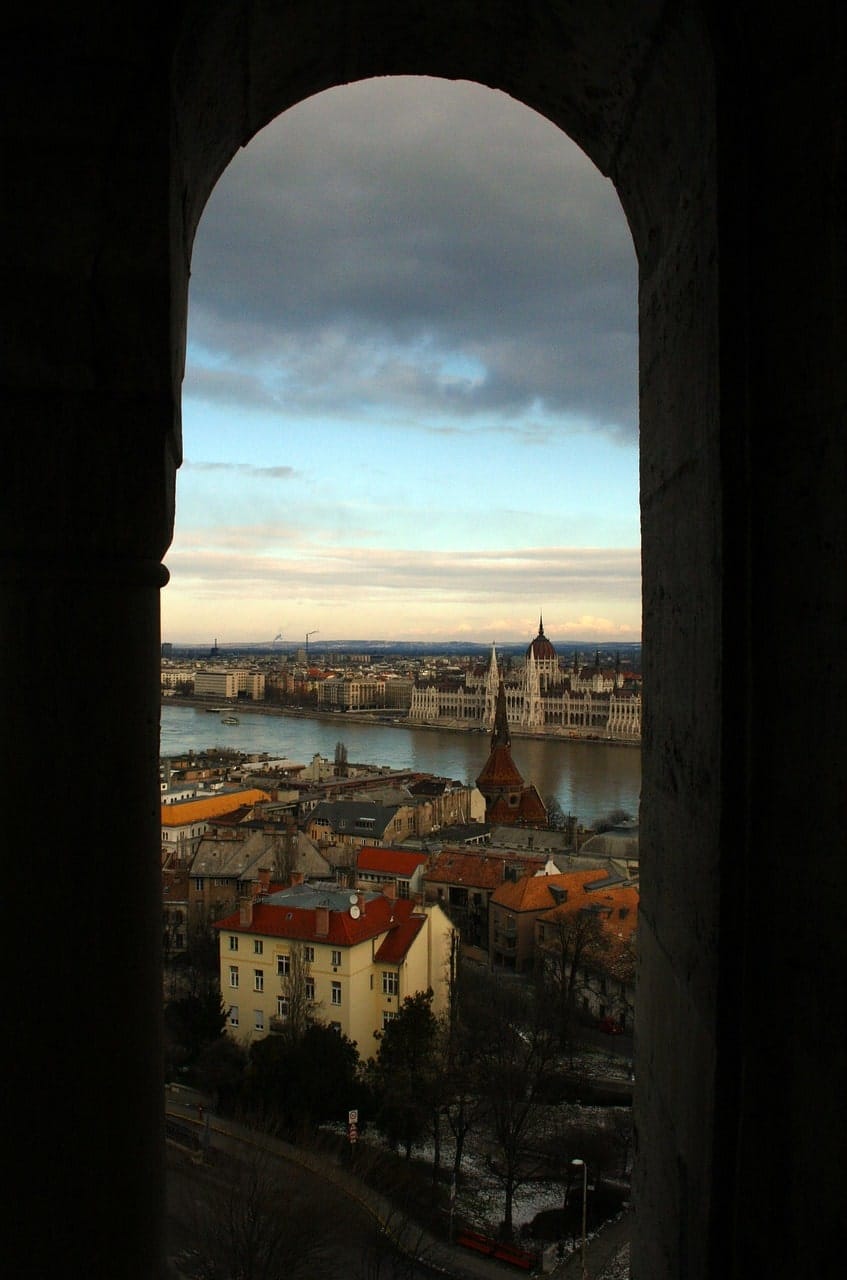
One of the most rewarding aspects of visiting this spot is the view over the Danube River. The river cuts through the heart of Budapest, and from Castle Hill, visitors can see major landmarks like the Chain Bridge, Margaret Island, and the Buda embankments. Early morning or sunset offers especially dramatic lighting for photography.
Views of the Pest Side and Parliament Building
Looking east from the terraces, you’ll find the Hungarian Parliament Building dominating the Pest side. The Gothic Revival architecture, especially when illuminated at night, is a sight to behold. Other visible highlights include St. Stephen’s Basilica and the bustling downtown of Budapest.
Best spots for photography around the castle
For the perfect shot:
Savoy Terrace: Best for panoramic river and city views.
Fisherman’s Bastion: Offers a fairytale-like frame for photos of Pest.
Dome of the Hungarian National Gallery: Accessible with a ticket, this spot provides a 360-degree view of Budapest.
Photography enthusiasts should aim for early morning light or sunset to capture the golden hues over the Danube and city skyline.
Where is Buda Castle Located?
The Buda Castle lies in the 1st district of Budapest, Hungary. The castle itself crowns Castle Hill, offering strategic and scenic views of the entire city.
From almost anywhere along the Pest riverside promenade, you can spot the majestic castle complex sitting atop the hill — an unmissable part of Budapest’s skyline.
Best Way to Get to Buda Castle from the City Center
The easiest ways to reach the castle quarter from downtown Budapest are by bus 16, by funicular, or by walking from the Chain Bridge:
Bus 16: Frequent and direct service from Deák Ferenc Square or Széll Kálmán tér to the Castle District. It’s an accessible and budget-friendly option.
Funicular (Budavári Sikló): A short, scenic ride from Clark Ádám Square at the foot of the Chain Bridge directly up to the castle grounds.
Walking: For active visitors, a walk up the hill offers beautiful views, though it involves a fairly steep climb.
Tip:
Buses 16 and 16A are wheelchair-friendly, making them the best public transport option for those with mobility concerns.
Is There Parking Nearby?
There are several small paid parking lots around the Castle District, including near Dísz tér and Szentháromság tér. However, during weekends and peak tourist seasons, finding a spot can be difficult.
If you plan to drive, it’s best to arrive early in the morning or late in the afternoon to increase your chances.
Alternatively, consider parking further down in Buda and taking public transportation or walking up to the fortification.
Tip:
Parking fees are generally higher in the Castle District compared to other parts of Budapest.
Walk Up or Take the Funicular?
Walking up offers a scenic and free option, while the Buda Castle Funicular provides a fast, scenic, and less strenuous ride at a small cost.
Walking Up:
A steep but enjoyable climb starting near Clark Ádám Square.
Great for photography lovers who want to capture the fortification from different angles.
Taking the Funicular:
Budavári Sikló operates daily from 08:00 AM to 10 PM.
Full price return tickets approximately 5,000 HUF one-way (~€15).
Children under 3 and disabled visitors ride free.
Tip:
Queues for the funicular can be long during peak hours, so consider buying tickets in advance or choosing to walk if you prefer flexibility.
Is Buda Castle Wheelchair Accessible?
Thanks to recent upgrades, this area is increasingly accessible for visitors with mobility issues:
Buses 16A and 116 are wheelchair-friendly and drop you close to the castle grounds.
Public elevators are available around Castle Hill (e.g., the School Street Elevator).
Major attractions have wheelchair access.
However, areas with cobblestones (especially around older courtyards) may still pose difficulties, and not every historic site inside the castle is fully adapted yet.
Tip:
Visitors needing full accessibility should contact the specific museum or attraction in advance for the latest updates. You can visit this specific page.
Practical Tips
If you ask us at GoZeppelin Tours, we always recommend visiting Buda Castle in the early morning or late afternoon.
Early morning (especially between 8:00 and 10:00 AM) is magical — the castle grounds are almost empty, the light is soft for photos, and you can enjoy the sweeping views without the crowds.
Late afternoon, especially before sunset, also offers stunning light across the Danube and Pest side.
If possible, avoid mid-day on weekends, especially in the summer months (July and August), when the area can get very crowded with tour groups.
For the best weather and a relaxed vibe, late spring (April-May) and early autumn (September-October) are ideal.
Some other practical tips we’d like to share with you:
Footwear: The Castle District’s cobblestone streets are charming but uneven. Good walking shoes are a must.
Water: Bring a bottle, especially on warmer days. There are cafés around, but Some sections can be quite exposed under the sun.
Tickets: Museum tickets can be bought on-site, but if you’re visiting during high season, booking in advance saves waiting time.
Photography: Don’t miss sunrise or sunset shots from the Savoy Terrace or Fisherman’s Bastion!
Lastly, if you want to explore Buda Castle efficiently and truly understand its history, architecture, and hidden gems, we suggest joining our Buda Castle Free Walking Tour.
Our tour in Budapest is a relaxed, friendly way to see more in less time, learn a lot, and enjoy the real spirit of the city of Budapest and learn more about Hungarian history without feeling rushed.
Whether you explore it on your own or join a passionate local guide, Budapest’s Castle will leave you with some of the best memories of Budapest.